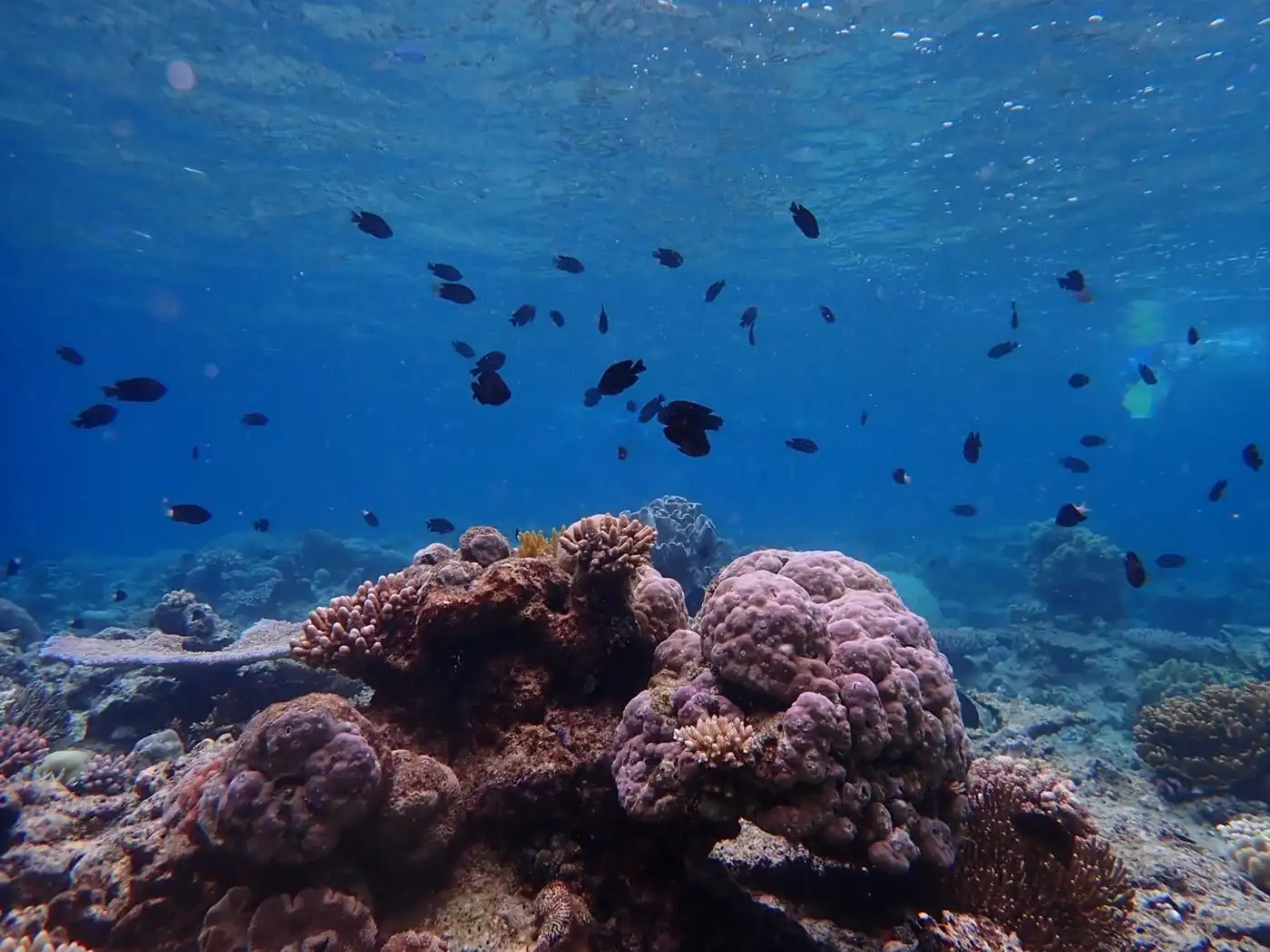
The Truth About Coral Bleaching in 2026: Where a Healthy Reef Still Manages to Thrive – but don’t let the headlines fool you. The Great Barrier Reef is in a bit of a tricky spot, but the reality is that a lot of coral reefs are actually doing just fine – in some places at least. If you pick the right spot, time of year and tour operator, you’ll see coral gardens that are better than fine – they’re alive, kicking and bursting with colour in 2026.
I’m Paul, and I’ve been taking people out onto the reef long enough to know when the stories don’t match up. I’ve snorkelled sites that have been hit by bleaching – where it looked like a bit of a mess up close – and then gone for a 20-minute drift offshore and ended up in the middle of a coral garden that was teeming with life. The point is, the reef isn’t just one single, uniform thing – it’s 2,300 kilometres of shifting, living ecosystems that are constantly being shaped by things like ocean temperature, currents, climate change and good old-fashioned Reef Management.
Let’s get to the bottom line.
Contents
- 1 What You Need To Know
- 2 Regions Where Coral Can Be Expected to Thrive in 2026
- 3 Getting Real About Reef Resilience
- 4 Climate Pressure Is Real — But So Is Adaptation
- 5 Timing Your Visit To Avoid The Worst Of It
- 6 Practical Ways Travellers Support Reef Protection
- 7 Quick Planning Guide for 2026
- 8 Travel With a Clear Conscience
- 9 FAQ
What You Need To Know
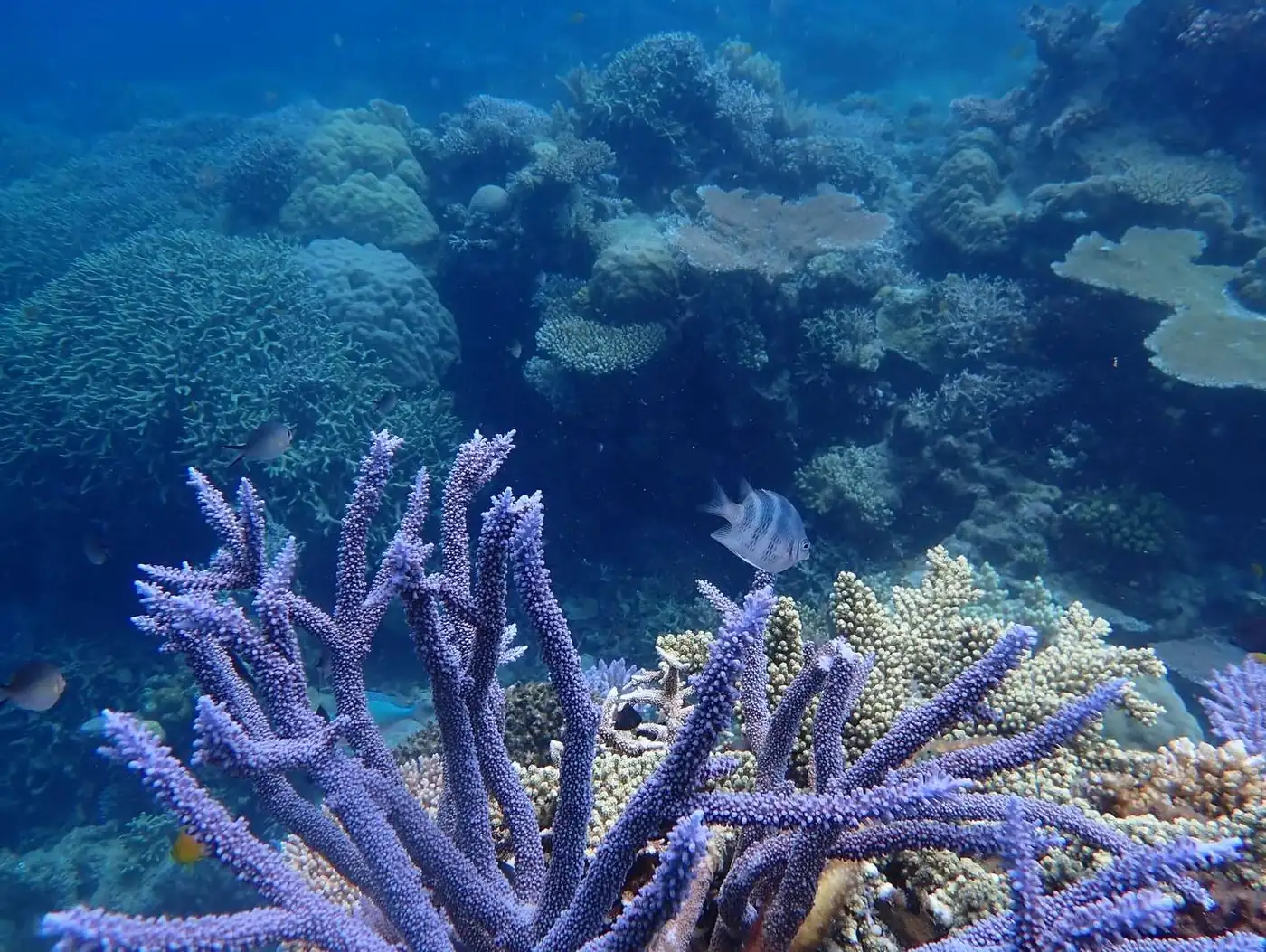
Coral bleaching occurs when sea surface temperatures are too high for too long, which stresses corals. They become so stressed that they expel the symbiotic algae that give them their colour and most of their energy. The coral turns white. If temperatures drop quickly enough, the coral begins to recover. But if the heatwave hangs around for too long, more and more of the coral dies.
The reef has had a few pretty nasty mass bleaching events since 1998. Ocean temperatures rose so high during these heatwaves that large areas of the reef were affected. But the good news is that the long-term marine science monitoring done by the Australian Institute of Marine Science shows that in some parts of the reef, the coral cover has actually bounced back pretty strongly in recent years – especially on the outer shelves in the north and centre.
That bounce back has been largely driven by fast-growing species that thrive after disturbances, and by the millions of coral larvae released into the water during coral spawning. Recruitment still happens, and reef resilience is very much real – even though the reef is still under a lot of pressure from climate change.
What’s changed is the frequency – and it’s not good. Rising temperatures mean bleaching events can occur more frequently. Couple that with the ocean acidification that’s being driven by greenhouse gas emissions, and coral growth becomes a lot harder – and recovery times get shorter too. That’s just the way it is.
But here’s the thing – bleaching isn’t evenly spread across all the reefs. Not every reef is going to get hit equally hard – or recover equally well. And that’s where doing some careful research and planning your trip can pay off big time.
Regions Where Coral Can Be Expected to Thrive in 2026
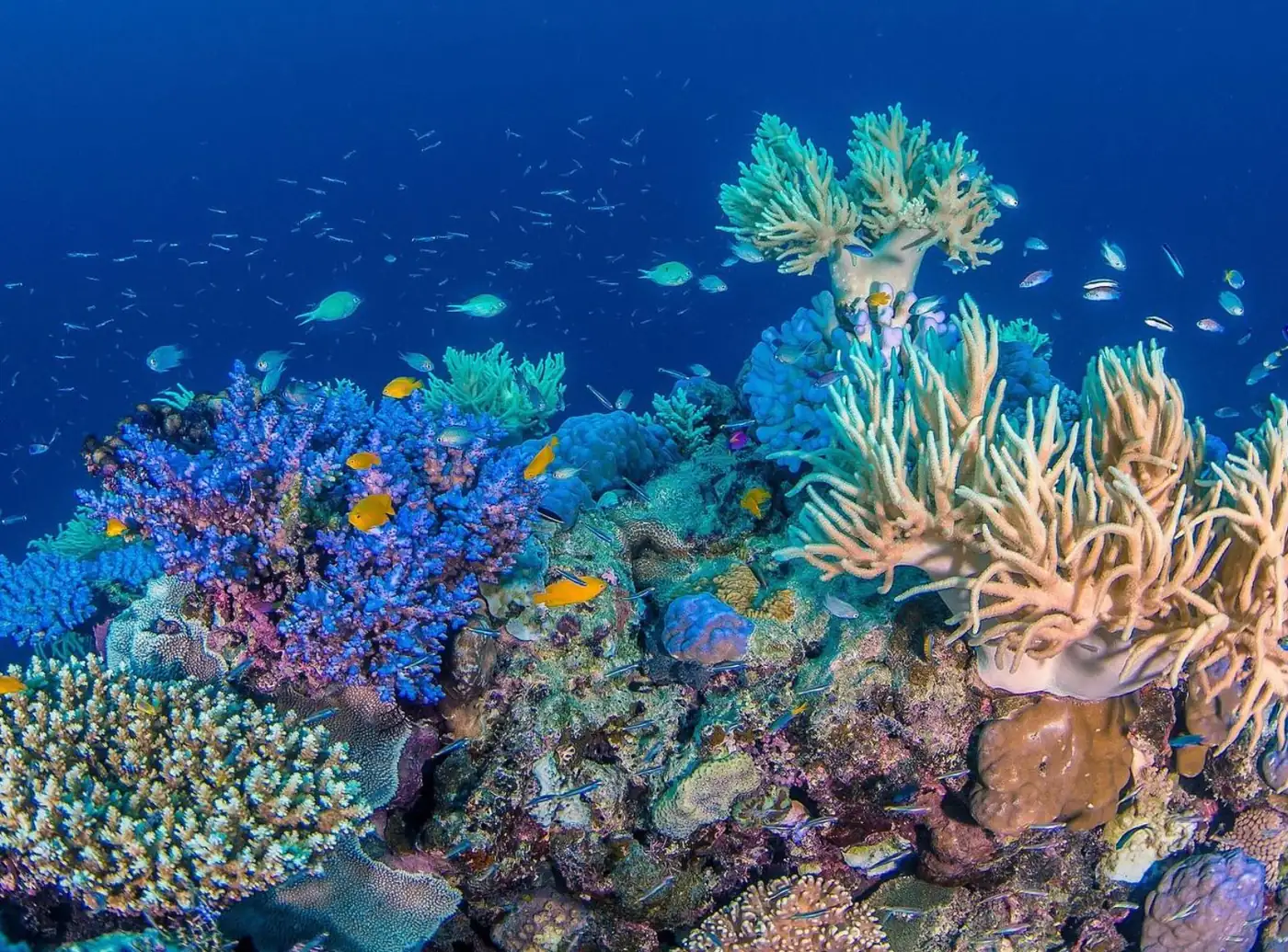
If you’re after a guaranteed chance of spotting coral reefs that are still in great nick, then where you choose to go is the biggest factor – sorry, but the marketing hype doesn’t even come close to making up for a bad location.
Out to the Edge: Outer Shelf Reefs near Port Douglas and Cairns
Reefs far out on the outer shelf, such as Agincourt Reef, consistently endure the heat. Having decent water flow helps keep the sea temp in check, and they’re far enough from the coast that you get less pollution from coastal runoff – all of which contributes to a healthier Reef Water Quality.
When I’m guiding first-timers on a Great Barrier Reef Tour, I always try to get them out to these reefs first. You’ll typically find:
- Good size and health when it comes to coral cover on the big bommies
- Loads of active fish life
- The reef is showing strong signs of recovery from last year’s bleaching
Last year was a cracker though – I was out past Ocean Spirit, and visibility was pushing 25 metres, and the fusiliers were running in silver flashes. The hard coral gardens looked solid as you like – not the scrawny, bleached out, rubble that some journos would have you believe
The Southern Reefs Stand as a Refuge from Climate Change
The southern bits of the reef often act as a refuge from climate change. It’s generally cooler in those waters, which means the reef is less stressed during heat waves.
These reef ecosystems tend to:
- Have fewer consecutive bleaching events
- Show stable coral cover
- Support some great coral spawning
In the south, you’ll find a bunch of smaller operators that are really committed to reef stewardship and are doing some great work through programs like Resilient Reefs and Reef Biosearch. This isn’t just virtue signalling; it is real Reef management supported by funding from the Reef Trust.
Getting Real About Reef Resilience
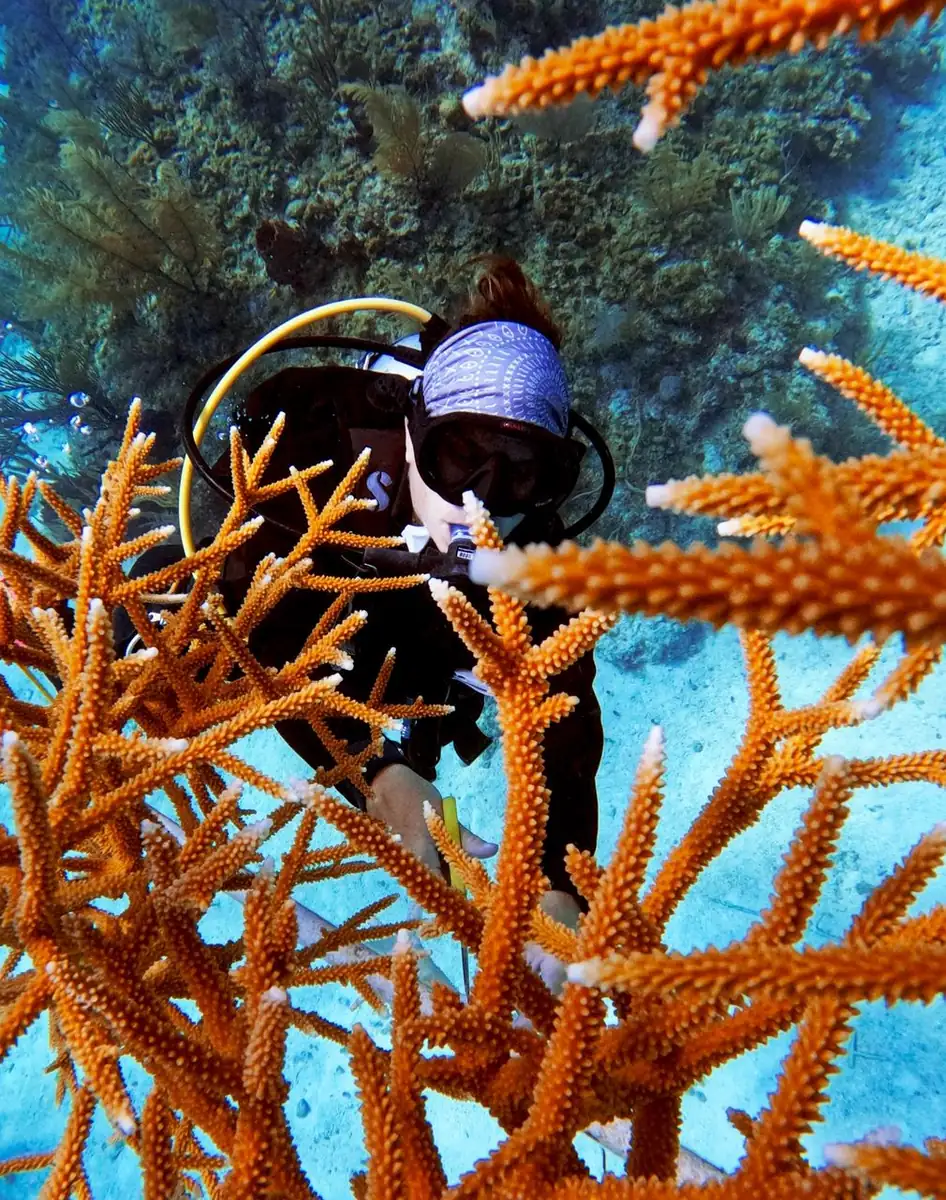
Let’s not lose sight of the big picture here.
The reef comprises approximately 3,000 individual reefs, and during extreme heat waves, some areas were severely affected while others were unaffected. Still, others managed to avoid it altogether.
Marine science tells us that:
- The outer central reefs reached record coral cover in the cycles following last year’s bleaching – so that’s a positive.
- Unfortunately, the inshore reefs are still struggling with water quality.
- Those deeper reefs might be a bit of a refuge for now – and might even provide some coral larvae to shallower reefs.
The Great Barrier Reef Marine Park Authority (you’ll know them as the Reef Authority) is responsible for zoning, Reef Protection, and all long-term Reef management strategies.
And with Reef Trust chipping in funding and working with research institutions, you get a multi-layered approach: monitor, protect, restore.
No guesswork here – this is all just good old-fashioned science responding to what the climate models are telling us, and those rising ocean temps.
Climate Pressure Is Real — But So Is Adaptation
Let’s not sugar-coat it. Climate change is the dominant driver of increased coral bleaching events globally. Rising ocean temperatures, driven by greenhouse gas emissions, increase the frequency of marine heatwaves.
Climate models project continued surface temperature rises unless emissions decline. Ocean acidification reduces the amount of carbonate available, which in turn slows the formation of coral skeletons. That’s basic physics and chemistry – not someone’s opinion.
But get real, coral reefs are super adaptable systems. Some coral species can host more heat-tolerant algal strains that help them withstand heat. Some reefs benefit from strong current mixing, while others have demonstrated resilience to repeated stress cycles.
And let’s be clear, far from being a Queensland problem, places like Ningaloo Reef have also been hit with bleaching during intense ocean heatwaves. No reef system is magically insulated from climate warming.
So stop asking ‘Is the reef dead?’ – That’s not a useful conversation.
The better question is, ‘Where is the reef in the best shape right now?’
That’s a more sensible question.
Timing Your Visit To Avoid The Worst Of It

Planning your visit is super important.
Typically, the peak surface temperature stress occurs between January and March, and if a marine heatwave occurs at the same time, the bleaching risk increases significantly.
For the best chance of finding healthy coral cover:
- Plan your trip between May and October, which is generally when things are quieter.
- Keep an eye on the sea surface temperature – it’s a good indicator of when things might go pear-shaped.
- And don’t be afraid to ask the operators directly what’s been going on lately – any decent operator (and we’ve got some good ones lined up through Great Barrier Reef Tours) will give you the lowdown, not some scripted answer.
Add some buffer days to your itinerary. North Queensland weather is notoriously unpredictable – I’ve seen mornings that are as calm as a lake turn into choppy seas by lunchtime. Flexibility will save your bacon.
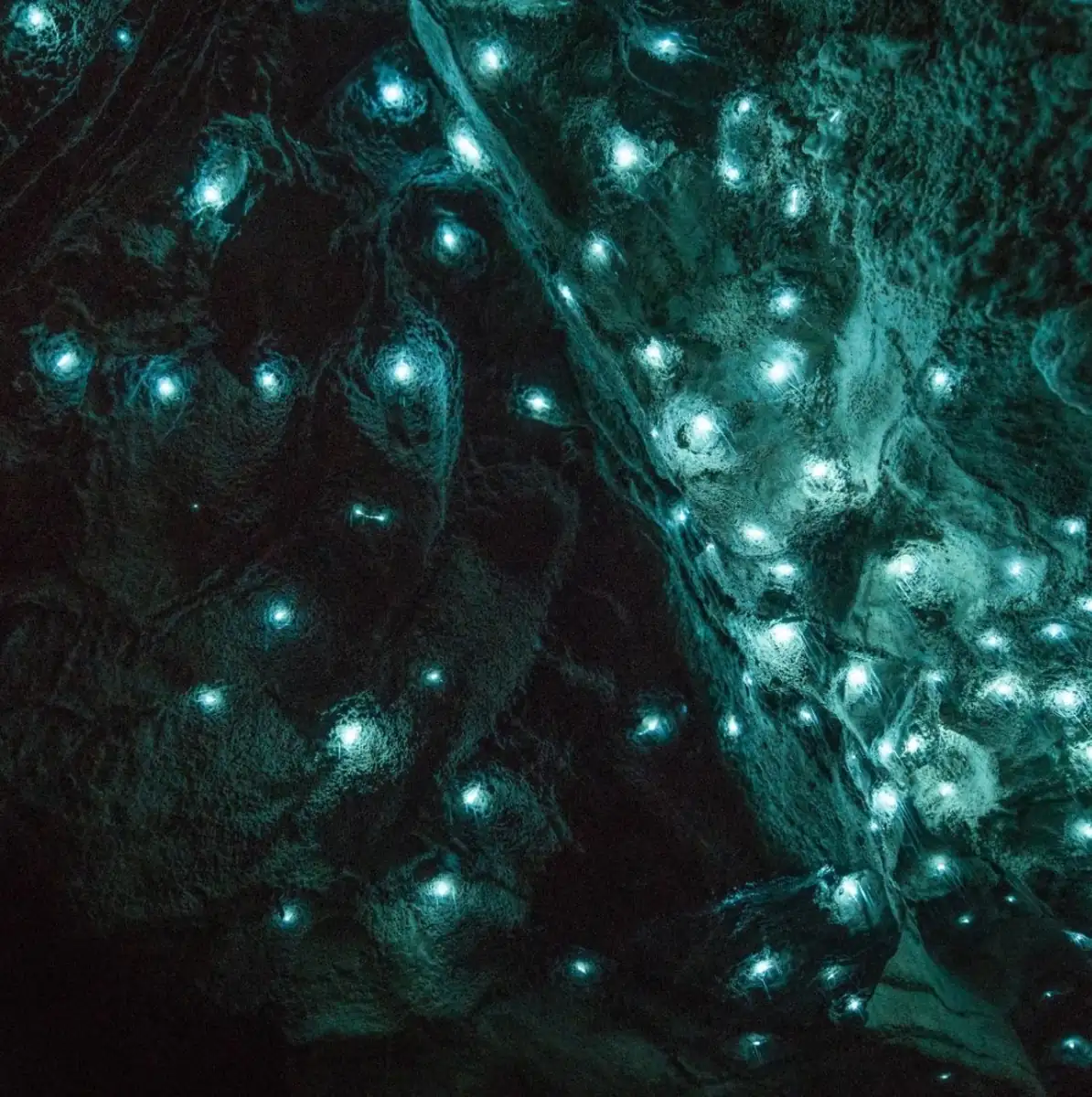
And while you’re up there, don’t miss out on the rainforest – a Rainforest Skywalk & Glow Worm Caves Day Tour is a cracking inland day out that pairs perfectly with a day on the reef. Same region. Entirely different ecosystem. Worth checking out.
Practical Ways Travellers Support Reef Protection
Tourism can support reef ecosystems when done properly.
Here’s what actually helps:
- Use mineral-based sunscreen.
- Never stand on coral reefs.
- Respect Traditional Owners and Sea Country guidelines.
- Follow Reef Authority zoning rules.
- Choose operators engaged in coral restoration or Reef stewardship activities.
Lots of Traditional Owners are directly involved in reef conservation efforts, which are made all the more effective by their cultural knowledge – and it’s only right that we show the respect they deserve.
The tourism industry is also crucial because it generates revenue that sustains Reef Trust funding and supports broader science projects. Without that tourist revenue, it’s much harder to sustain the large-scale monitoring and restoration work essential to keeping the reef healthy.
And if you’re putting together a multi-day North Queensland trip, you can really spread out the impact of tourism by pairing your reef time with something else, like taking a Rainforest Skywalk & Glow Worm Caves Day Trip – I’ve found this is a big hit with local operators who want to make a real difference.
Quick Planning Guide for 2026
Alright, so if I were putting together a reef itinerary for you right now, here are the top things I’d focus on :
- Head to the outer shelf reef sites like Agincourt Reef – that’s the best place to see some amazing stuff
- Try to go during the dry season when the weather is nicer
- Pick an operator that’s signed up to the Reef Protection Initiative standards – that way, you know you’re supporting the right cause
- Get up to speed on the latest marine science before you leave, so you know what to expect
- And if the weather is looking dodgy, make sure you’ve got at least two days at the reef so you can get in some proper snorkelling.
Keep things simple, make smart choices and stay in the loop.
Travel With a Clear Conscience
The reef is under some serious pressure from climate change, ocean acidification and rising ocean temperatures – no kidding. We are seeing bleaching events more and more often – and that’s a reality check. But here’s the thing: coral reefs aren’t static – they’re still got life in them. Coral spawning still brings new life to sections of the reef every year, and in protected areas, coral cover can bounce back. And let’s be clear: reef resilience is measurable.
If you travel with some sense – choose reefs that are healthy, learn and respect the Traditional Owners and make sure you’re with a tour operator that sticks to the rules and follows the science – then you’re not part of the problem. You’re actually part of the solution.
And while you’re planning your reef trip, don’t forget that North Queensland has got a whole lot more going on than just coral. A Rainforest Skywalk and Glow Worm Caves Day Trip is a pretty cool way to remind yourself just how diverse this region really is.
The reef story isn’t a simple one – it’s complex, and it’s constantly changing. And to be honest, in 2026 it’s still going to be worth seeing – if you know where to look, that is.
If you need some help narrowing down the best reefs to visit right now, I’m always keeping an ear to the ground and tracking conditions. Just give me a shout.
FAQ
Is there still coral to see and swim with?
Yes, many of the outer and southern reef systems still show very healthy coral cover and have made impressive recoveries since the last bleaching events.
Does bleaching mean the reef is ruined for good?
Not always – if the ocean temperatures get back to normal quickly, corals can actually recover, and coral larvae can repopulate the damaged areas.
Are the deeper reefs safer?
The deeper reefs – the mesophotic reefs – might get less light stress, but they can still be affected by big heatwaves in the ocean.
Does tourism actually do any harm to coral reefs?
If you’re doing it wrong – if you’re not managing your tourism properly – then yes, it can do some damage. But if you’re working with a tour operator that follows the rules and supports reef stewardship, you’re actually helping.
Should you give up on travel because of climate change?
No – visiting the reef responsibly can actually help support the reef resilience efforts. The key is to pick a good time and a good spot, and work with a tour operator that knows what they’re doing.