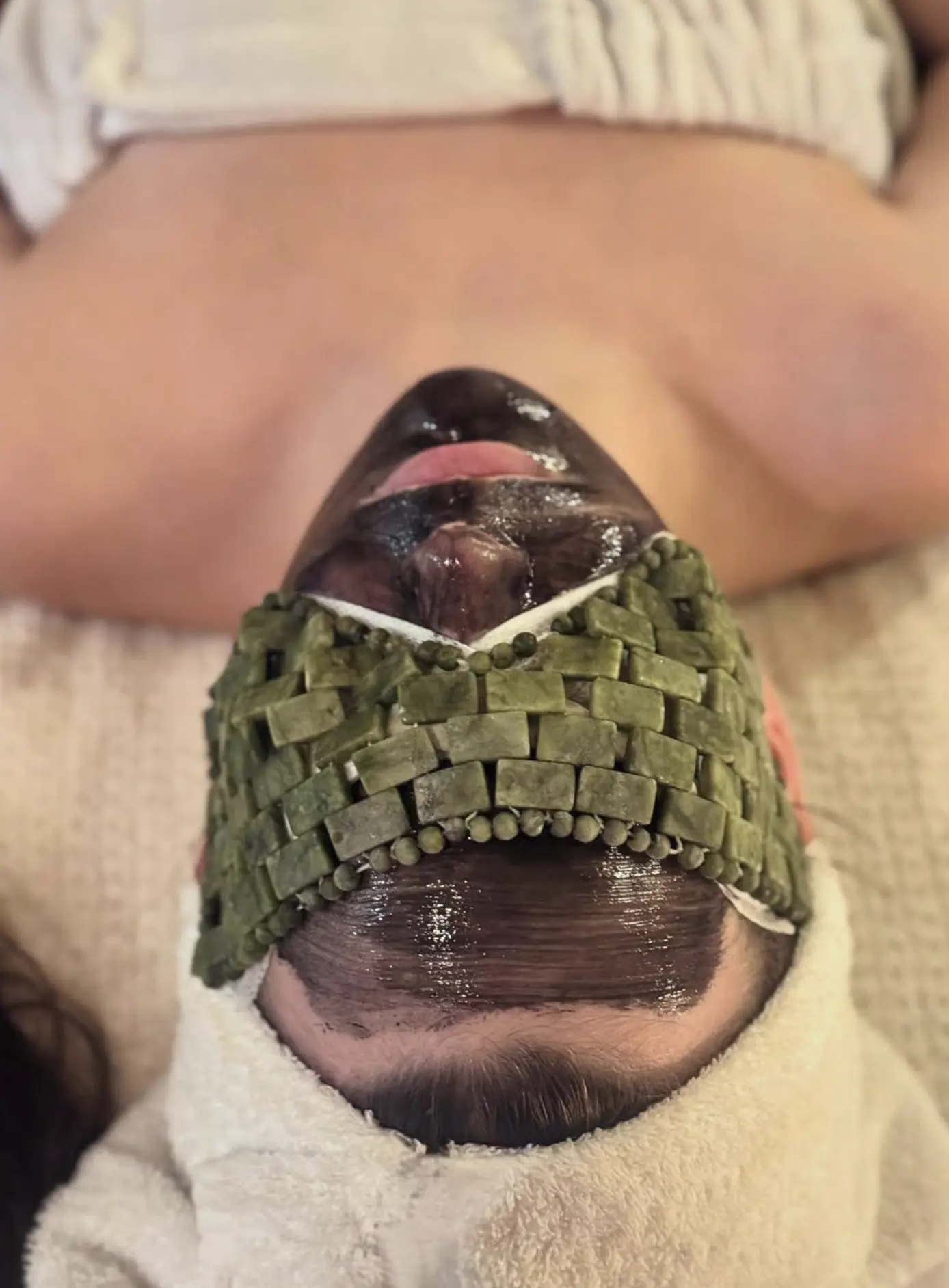
Are copper peptides better than retinol for long-term skin resilience? I get asked that one almost every week at The Facial Hub- usually by someone whose skin has had the “trend of the month” treatment one too many times & is now crying out for some genuine calm, genuine strength and genuine results that last.
Im Sevine Forster, and after nearly two decades in the skin therapy business – from high end clinics in Mayfair to Brisbane where the sun and heat can give skin a real pounding – I can tell you this: there aint no one answer – it’s all about how your skin behaves over time and what it actually needs to stay strong – not just look good for a few weeks.
So, let’s get down to business – we’re gonna talk about skin strength the way it really is, not what some marketing people want to make it be.
Contents
- 1 Understanding Skin Strength Beyond Surface Glow
- 2 How Vitamin A Pathways Transform Skin Over Time
- 3 How Peptide Signalling Supports Repair And Longevity
- 4 Side-By-Side Differences That Actually Matter
- 5 What You Notice With Consistent Use
- 6 Why The “Better Ingredient” Question Misses The Point
- 7 How I Personalise This In The Treatment Room
- 8 What Brisbane Conditions Do To Your Skin
- 9 Practical Tips Before You Start
- 10 Pricing Context (Australia, 2026)
- 11 What I Prioritise For Safety And Results
- 12 Common Misunderstandings I See Daily
- 13 Final Thoughts: What Your Skin Actually Needs
- 14 FAQ
Understanding Skin Strength Beyond Surface Glow
Really resilient skin isn’t just about looking bright – it’s about how it does through its full life cycle. Up here in Brisbane, we get constant sun and the humidity can quietly weaken the skin over time, causing ongoing water loss and dehydration probs.
I often see clients at The Facial Hub whose skin looks great on the surface but is actually a mess underneath – with subtle redness, sensitivity, and just generally being out of whack. Even clients who regularly book in for facial microdermabrasion sometimes don’t realise that surface smoothing alone won’t rebuild deeper resilience.
Real strength means a balanced cell turnover rate, strong fibroblast activity and a well-supported matrix that actually holds everything together.
How Vitamin A Pathways Transform Skin Over Time
Retinol has earned its reputation for the level of control it exerts on the skin at the cellular level. Once it’s converted into retinoic acid, it binds to retinoid receptors (a type of nuclear receptor) and acts onretinoid receptors (there’s a type of nuclear receptor the skin by influencing gene expression.
This is what happens:
- The skin’s renewal process goes into overdrive
- Skin texture gets a whole lot better
- Collagen production gets a serious boost
Advanced retinol derivatives like Retinyl retinoate aim to give you the benefits with less irritation, but basically, the mechanism is still the same – it’s still a major driving force for change.
But let me let you in on a little secret – I’m always telling my clients that getting a response from retinol also comes with some caveats. Especially in Brisbane’s harsh climate, retinol can mess you around with:
- Disrupting the skin’s barrier
- Causing skin irritation to flare up
- Making you lose more moisture than you should
For acne-prone skin, it can actually be pretty helpful – but only if you know how to manage it.
How Peptide Signalling Supports Repair And Longevity
Copper peptides operate in a whole different space within skincare science. They’re essentially built from amino acids and work as both a delivery system and a signal – so they don’t just force the skin to do something – they actually guide it.
They get some pretty impressive results:
- Skin regeneration and wound healing get a serious boost
- Integrin expression and fibroblast activity improve greatly
- The extracellular matrix gets strengthened
- Regulate enzymes like matrix metalloproteinases and lysyl oxidase
This is why copper-based compounds are often used for wound repair, and copper oxide-impregnated dressings are even used to improve the silky smoothness and speed of skin renewal, thereby reducing microbial bioburden. And let me tell you – copper’s don’t biocidal properties are well recognised even when it comes to copper oxide in medical devices.
In clinic at The Facial Hub, I don’t just rely on retinol on its own – I mix it up with some gentle techniques like facial microdermabrasion to get products to absorb better without overwhelming the skin.
Side-By-Side Differences That Actually Matter
| Feature | Retinol | Copper Peptides |
|---|---|---|
| Primary Function | Accelerates cell turnover | Signals repair and regeneration |
| Mechanism | Acts via retinoid receptors & gene expression | Acts via signal peptides & growth factors |
| Collagen Support | Strong but aggressive | Gentle, sustained collagen support |
| Barrier Impact | Can cause barrier disruption | Supports barrier repair |
| Irritation Risk | Moderate to high | Very low |
| Best For | Acne, pigmentation, ageing | Wound healing, resilience, repair |
| Brisbane Suitability | Needs careful management | Highly suitable year-round |
What You Notice With Consistent Use
Over time, these ingredients add up to some pretty different results.
With retinol, you’re likely to see your skin texture transform into something silky-smooth and your skin renewal speed up – but it can also get a bit sensitive, especially if your skin’s barrier isn’t up to scratch.
With copper peptides, on the other hand, the results tend to creep in gradually:
- Improved skin elasticity
- Better hydration when paired with Hyaluronic acid
- Greater tolerance to actives like vitamin C
- Reduced inflammation and improved recovery
It might not be as dramatic, but it’s all about building long-term skin health.
Why The “Better Ingredient” Question Misses The Point
Honesty time, when I’m in the clinic, I don’t often think of it as a competition between retinol and copper peptides.
Retinol is brilliant for giving your skin a bit of a wake-up call, making it look and feel like new.
Copper peptides are a powerhouse for maintaining healthy skin that’s resilient to stress and damage.
The real art is knowing when your skin needs a bit of an overhaul – and when it needs a bit of TLC to keep it going. The same thoughtful approach matters in cosmetic tattoo education, including understanding what bio-responsive pigments are and where artists learn about them.
How I Personalise This In The Treatment Room
At the Facial Hub, no two routines are ever the same.
If I see signs of a skin barrier that’s going a bit haywire, or if your skin is inflamed or super sensitive, I shut down all the heavy-hitting actives and focus on getting your barrier back on track first. That same assessment is important when deciding when a Hydrafacial may not be the right choice. Copper peptides are a staple in this case.
Once your skin is back to normal:
- Retinol is introduced slowly
- Hydration is reinforced with Hyaluronic acid
- Antioxidants like vitamin C are layered for antioxidant protection
- Occasionally, I’ll chuck in a facial microdermabrasion session to help products sink in better and keep your skin looking super smooth – without stripping it bare. For therapists wanting to build on controlled exfoliation knowledge, dermaplaning classes near me can be a useful next step.
It’s all about responding to your skin – not chasing the latest skincare trend.
What Brisbane Conditions Do To Your Skin
It’s a fact many people just don’t take into account.
Being humid isn’t the same as being hydrated – especially when the UV is strong, and your skin is under constant stress from the environment. Here’s what that looks like for Brisbane skin:
- Your skin’s got hidden dehydration going on
- Oil production is all over the place
- And your skin barrier gets worn down from all the stress
That’s why those super-aggressive routines often backfire rather than deliver results.
Practical Tips Before You Start
If you’re thinking of incorporating either of these ingredients into your routine:
- Always do a patch test to see how your skin reacts.
- Introduce one active at a time and see how it settles.
- Keep an eye out for signs of skin irritation – that’s your body’s way of saying slow down.
- And don’t forget to include a broad-spectrum SPF 30 or higher to protect your skin.
Pricing Context (Australia, 2026)
- Retinol products are looking at around $40-$180 AUD
- Copper peptide serums will set you back $80-$220 AUD
The better quality products out there are the ones with a stable formulation – and that shows in the delivery of the active ingredients.
What I Prioritise For Safety And Results
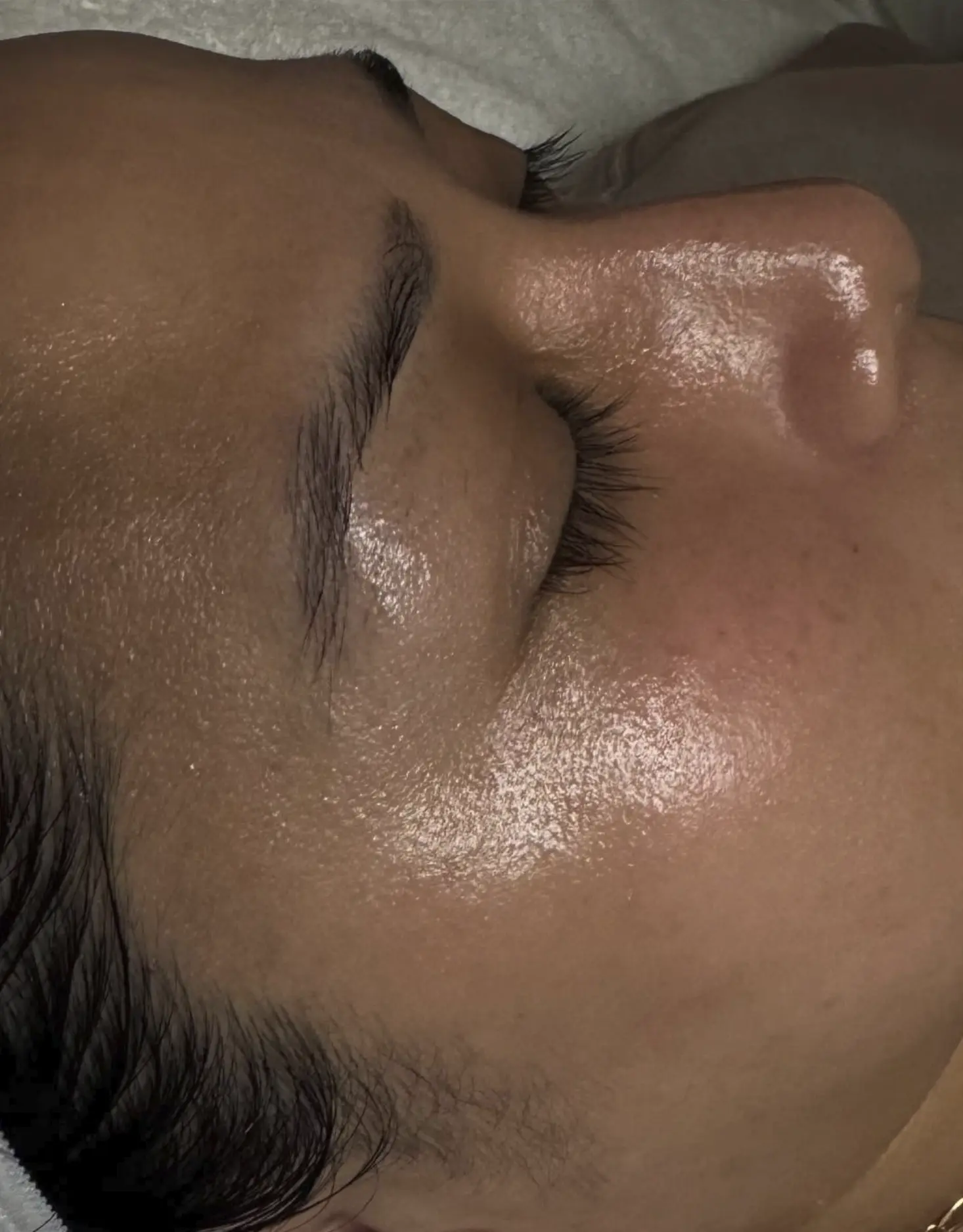
Inside my clinic, I’m always on the lookout for formulations that have been put together with care:
- I want medical-grade formulations that have been rigorously tested.
- I look for stable packaging – airless pumps are a great example.
- And I insist on strict hygiene protocols to avoid any contamination.
Because even with the best ingredients, a dodgy formulation can still let you down.
Common Misunderstandings I See Daily
A lot of clients come to me thinking that the strong stuff is always the best – but the truth is that more stimulation can actually lead to barrier disruption, which isn’t what you want.
There’s also a common myth that peptides are just a marketing gimmick – but in reality, compounds like palmitoyl pentapeptide and other signal peptides have some serious science behind them when it comes to collagen support and repair.
Final Thoughts: What Your Skin Actually Needs
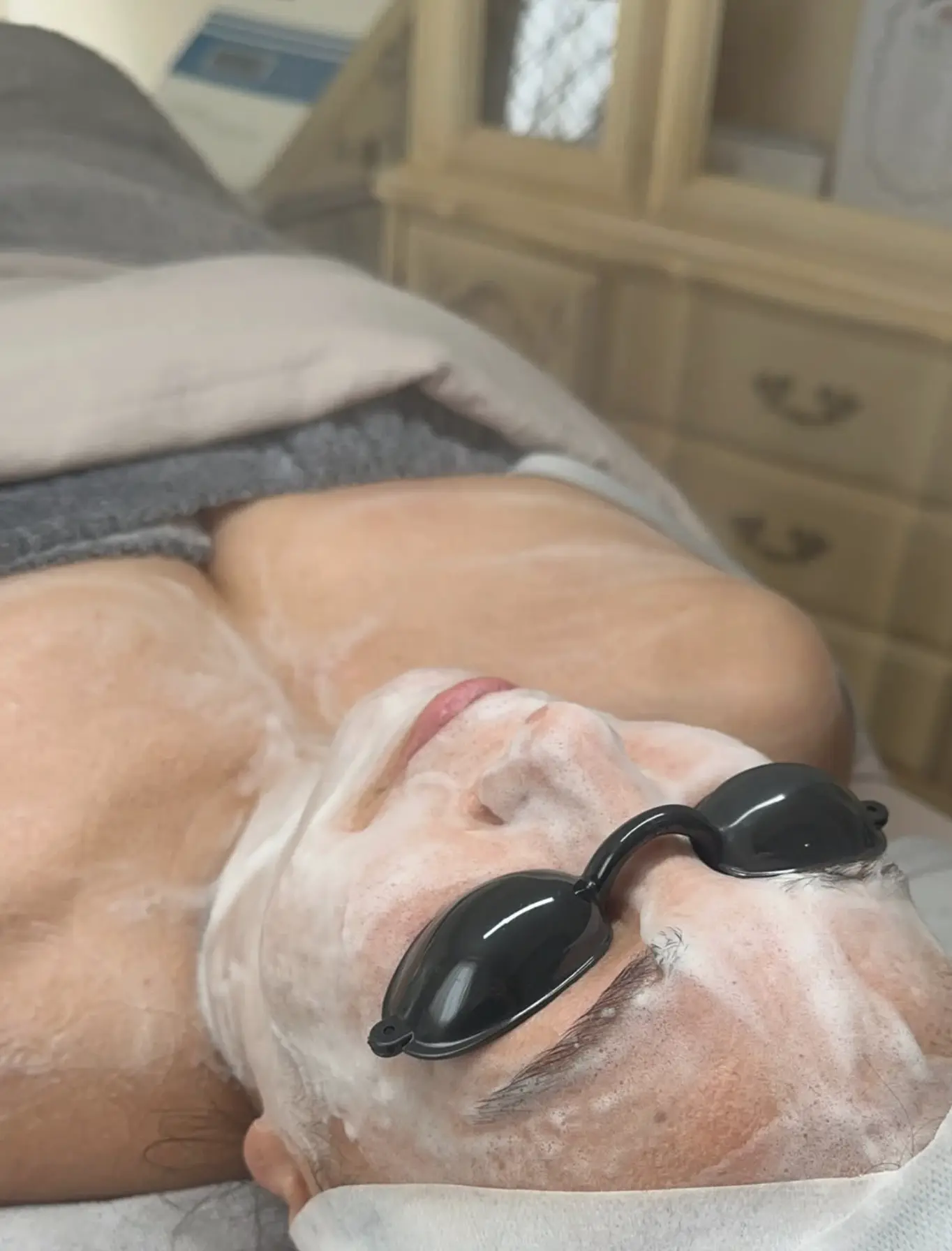
If you’re after long-term skin resilience, then copper peptides are a much more supportive and sustainable option. They help to strengthen your skin, repair damage and guide it back to balance – rather than just forcing a quick fix.
Retinol still has its place, but only if you use it carefully and with intention.
At the end of the day, your skin is crying out for support – not more stress.
FAQ
Can I use copper peptides and retinol together?
Yes, but just be sure to alternate them so you don’t irritate your skin.
Which one is better for acne-prone skin?
It depends on what you need. Retinol can help clear breakouts, but copper peptides are much better at soothing inflammation.
How long does it take to see some results?
You tend to see changes from retinol after about 8 to 12 weeks, while copper peptides can improve the overall look and feel of your skin in 4 to 8 weeks.
Do copper peptides replace retinol?
For general skin health and repair – pretty much. For doing deep resurfacing and the like – no.
What should I pair these ingredients with?
Stuff like hyaluronic acid, vitamin C and some good old SPF 30 are going to be your best friends when it comes to looking after your skin.